A business owner walks into their office on Monday morning. The lighting is harsh fluorescent. The layout forces employees to navigate around desks to reach the bathroom. The walls are neutral gray, and there’s no sense of order or purpose in the space. By mid-afternoon, people are tired and distracted, and the energy feels heavy.
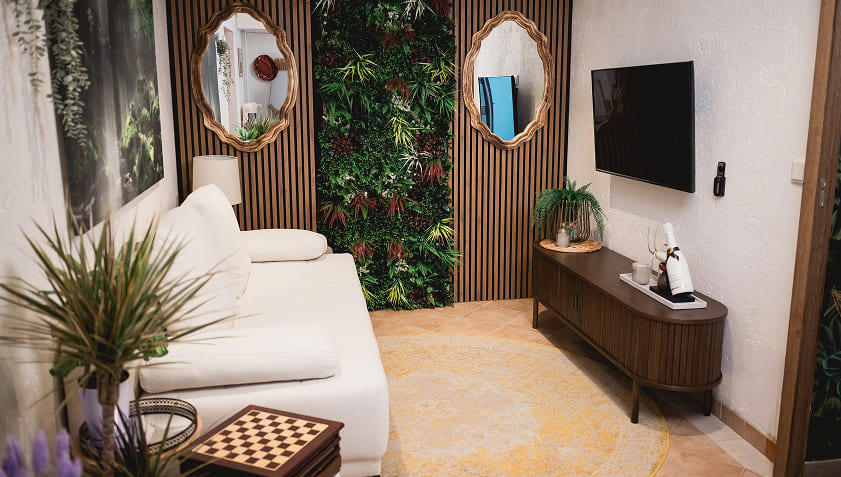
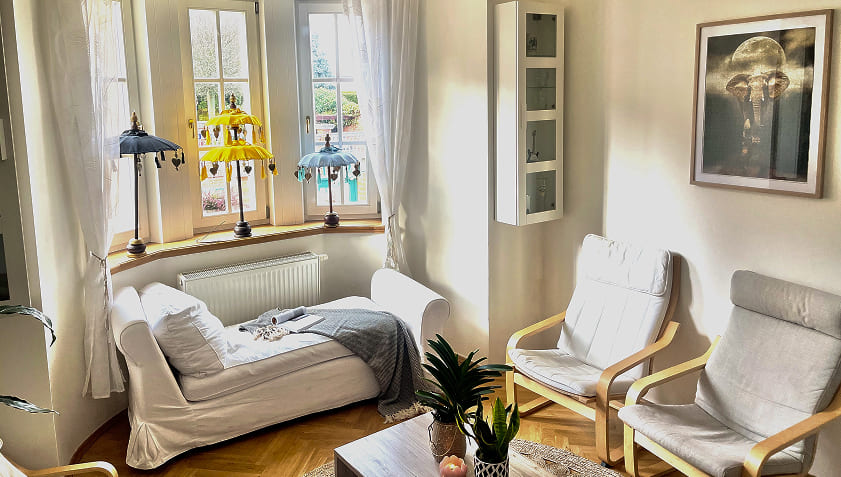
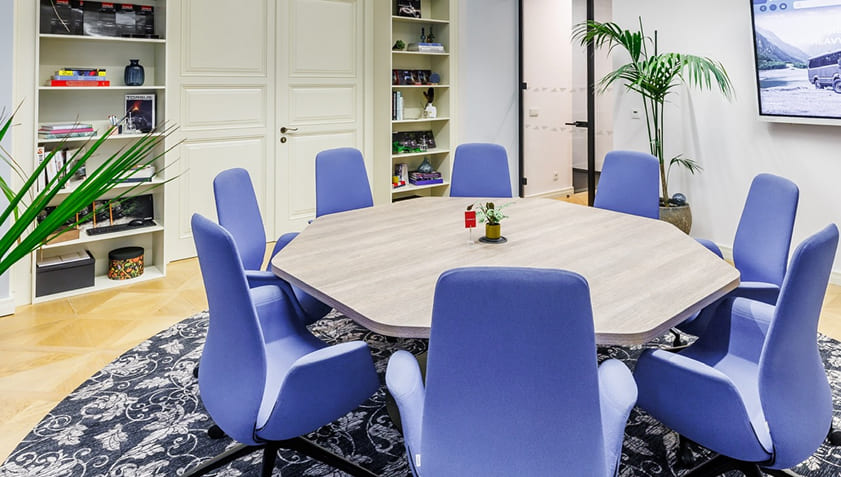
The same owner invests in thoughtful office design. Lighting is warm and strategic. The layout flows intuitively. Plants bring life to corners. Within a week, employees mention they feel less stressed. Two months in, the owner notices people are staying later, not because they’re forced to, but because they want to.
This isn’t magic, it’s the science of environmental design.
Most business leaders focus on hiring, strategy, and processes to boost productivity. But they overlook one of the most powerful levers available: the physical space where their team works. In this article, I’ll explain how well-structured office design directly impacts stress levels, collaboration, creativity, and ultimately, your bottom line.
The Business Case for Office Design
Before we talk about aesthetics, let’s talk about dollars and cents.
The costs of poor office design are real:
- Reduced productivity: Discomfort, poor lighting, and noise lead to decreased focus and output.
- High turnover: Employees leave not just because of the work, but because they dread the environment.
- Increased sick days: Stress and fatigue caused by poor environmental conditions lead to more absences.
- Lower morale: A neglected workspace sends a message: “We don’t care about your comfort.”
Conversely, the ROI of thoughtful office design is measurable:
Research from the American Society of Interior Designers shows that improved workplace design can increase productivity by 15–20%. The Harvard Business Review found that employees in well-designed offices report 51% higher engagement.
Think about it: If your office design improves productivity by even 10%, and you have a team of 10 people earning $50,000 each, that’s $50,000 in recovered productivity annually. Most office redesigns cost far less than that.
Five Ways Office Design Impacts Performance
1. Lighting Sets the Rhythm of the Workday
Your team’s energy, focus, and mood are intimately tied to light.
Poor lighting creates:
- Eye strain and headaches (reducing focus and increasing discomfort)
- Afternoon energy crashes (dim or artificial-only light disrupts circadian rhythm)
- Mental fatigue (the brain works harder to process visual information in inadequate light)
I design office lighting with a careful strategy:
- Maximize natural light wherever possible. Position desks near windows, use glass partitions instead of solid walls, and keep sightlines open to daylight.
- Layer artificial lighting thoughtfully. Bright task lighting for detailed work, softer ambient lighting for common areas, and warm color temperatures (2700K–3000K) to avoid the “institutional” feel of cool fluorescent lights.
- Create zones. Different areas of the office have different functions—focus zones need concentrated lighting, while collaboration areas benefit from softer, more diffuse light.
The result: Employees stay alert throughout the day, experience fewer afternoon slumps, and leave work less mentally exhausted.
2. Spatial Flow Reduces Friction
How does your team move through the office?
If someone has to squeeze past three desks to reach the printer, navigate around clutter to get to a meeting room, or interrupt colleagues to find a quiet space, you’ve created friction. Friction drains energy, disrupts focus, and limits collaboration.
Thoughtful spatial planning means:
- Clear pathways: People can move through the office without disrupting others
- Intuitive zones: It’s obvious where to go for focused work, collaboration, client meetings, or breaks
- Dedicated spaces for different activities: A quiet focus zone for deep work, a collaboration area with flexible seating, a client-facing meeting room
- Adequate storage: Clutter dispersed across desks and shelves creates visual noise and stress
When a space flows logically, people waste less time navigating, spend less energy problem-solving “Where do I sit for this task?”, and can focus on actual work.
3. Visual Calm Reduces Cognitive Load
Your brain is like a browser with 50 tabs open. Add a visually chaotic office, and you’re asking it to run with 100 tabs.
Excessive visual stimulation—cluttered desks, mismatched furniture, overwhelming colors, competing patterns—creates what’s called “cognitive load.” Your brain is constantly processing visual information, which exhausts mental resources that should be devoted to actual work.
I create visual calm through:
- Cohesive color palettes: A thoughtful, harmonious color scheme signals order to the brain
- Quality over quantity: Fewer, well-chosen pieces instead of many disparate items
- Smart storage: Systems that hide clutter while keeping things accessible
- Intentional decor: Plants, art, or design elements that inspire without overwhelming
The psychological effect: Employees feel less mentally fatigued. Their brains have room to focus on creative problem-solving instead of processing visual noise.
4. Comfort = Concentration
It’s hard to focus when you’re uncomfortable.
Too cold or too hot, sitting in an unsupportive chair, dealing with noise distractions, or feeling cramped—discomfort constantly pulls your attention away from work. Every small distraction fragments focus, and fragmented focus kills productivity.
Office comfort requires attention to the following:
- Temperature control: Ability to adjust individual comfort (not everyone is comfortable at the same temperature)
- Ergonomic seating: Chairs and desks that support proper posture over an 8-hour day
- Acoustic treatment: Sound absorption or separation to minimize disruptive noise
- Spatial breathing room: Not feeling cramped or crowded
When employees are comfortable, they can settle into deep work. This is where real productivity happens.
5. Biophilic Design Boosts Mood and Creativity
Humans evolved in nature. Our brains respond positively to natural elements, plants, natural light, and organic materials.
Incorporating biophilic design—bringing nature into the office—has measurable benefits:
- Reduced stress: Studies show plants in offices lower cortisol (stress hormone)
- Increased creativity: Natural elements stimulate creative thinking
- Improved air quality: Plants naturally filter indoor air
- Better mood: Greenery lifts spirits and reduces anxiety
I integrate biophilic elements through:
- Live plants strategically placed in work zones and common areas
- Natural materials: Wood, stone, natural textiles instead of purely synthetic materials
- Views or imagery of nature: If windows to natural scenery aren’t available, quality nature photography or artwork
- Natural light: Maximized whenever possible
A Real-World Example
I recently redesigned an office for a marketing agency with 12 employees. The previous setup had harsh overhead lighting, a cramped layout, desks facing walls, and no sense of visual coherence.
The new design included:
- Warm, layered lighting with task lights and softer ambient lighting
- Flexible zones: a focus area with quiet seating, a collaboration zone with movable furniture, and a client meeting area that felt separate and professional
- Plant placement throughout, including a living wall in the reception area
- Warm color palette (creams, soft blues, warm woods) that felt inviting but professional
- Smart storage that hid clutter but kept supplies accessible
The result after two months:
- Employees reported feeling less stressed
- Focus time increased (fewer distractions meant deeper work)
- Client feedback improved—the space felt more professional and thoughtful
- One long-time employee mentioned for the first time in years feeling excited to come to work
This is the power of thoughtful office design.
How to Start: A Practical Approach
If you’re ready to invest in your office design, here’s where to begin:
1. Assess Your Current Space
- Observe: How do employees move through the office? Where do they naturally gather? Where do they struggle?
- Interview: Ask your team what frustrates them about the current setup. Listen for patterns around noise, comfort, focus, or collaboration.
- Identify bottlenecks: Are there spaces that are underutilized? Overcrowded areas? Dark corners?
2. Identify Your Primary Goals
- Is the priority focused work? Collaboration? Client-facing professionalism?
- Do you need separate zones for different activities?
- What’s causing the most friction right now?
3. Plan Strategically
- Start with the fundamentals: lighting, layout, and flow
- Then layer in comfort, acoustics, and visual harmony
- Consider phased implementation—you don’t need to overhaul everything at once
4. Measure the Impact
- Before and after: Track productivity metrics, employee satisfaction, or absenteeism
- Gather feedback from your team
- Adjust as needed based on what you learn
Frequently Asked Questions
Q: Is office redesign expensive?
A: It depends on the scope. A full redesign can be significant, but many improvements, like better lighting, plant placement, organizational systems, and color refreshing, can be done incrementally and cost-effectively. I often work with clients to prioritize high-impact, lower-cost improvements first.
Q: Our office is rented. Can we redesign it without permanent changes?
A: Absolutely. Most of what I recommend, lighting, furniture arrangement, plants, textiles, paint, can be implemented in a rental space without violating lease terms. Landlords often appreciate improvements, especially when they’re nonpermanent.
Q: How long does it take to see results?
A: People feel the shift immediately; walking into a well-lit, organized space creates an instant mood change. Productivity gains become visible within 2–4 weeks as people settle into new routines. The deeper benefits to morale and creativity develop over months.
Q: What if my office is very small?
A: Small spaces actually benefit most from thoughtful design. Clear organization, strategic lighting, and smart furniture choices can make a compact office feel spacious and functional. I’ve designed beautiful, productive spaces in 500 square feet.
Q: How do I involve my team in the redesign?
A: I always recommend soliciting employee input. They use the space daily and understand the pain points. A collaborative process also increases buy-in and ensures the redesign addresses real needs.
The Bottom Line
Your office isn’t just a place where work happens. It’s an investment in your team’s well-being, focus, creativity, and productivity.
When you design intentionally, you’re saying: “Your comfort matters. Your focus matters. You matter.”
That message resonates. Employees stay longer, work more creatively, and genuinely enjoy coming to the office.
Ready to transform your workspace?
Let’s schedule a consultation. I’ll walk through your office, understand your team’s needs and goals, and propose a strategic redesign plan tailored to your business.
Together, we’ll create an environment where your team doesn’t just work, they thrive.