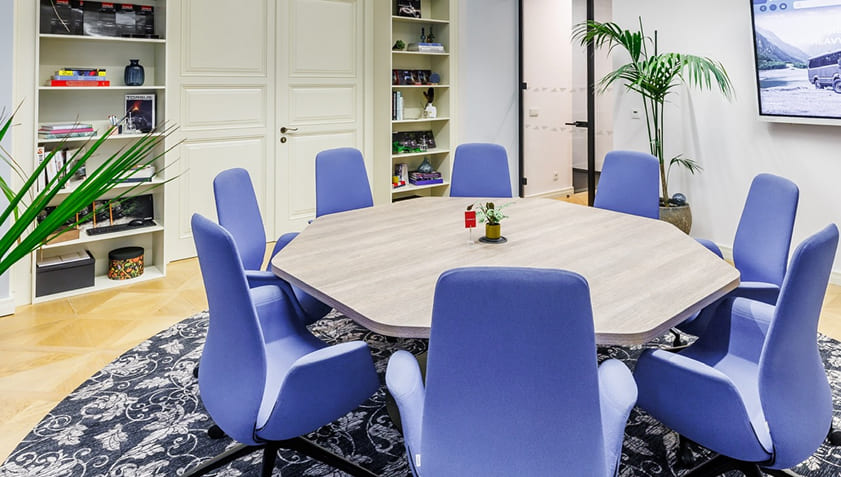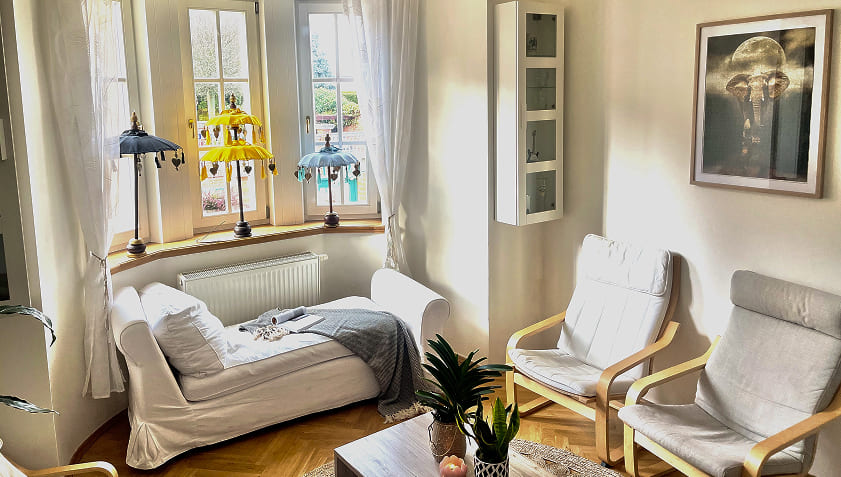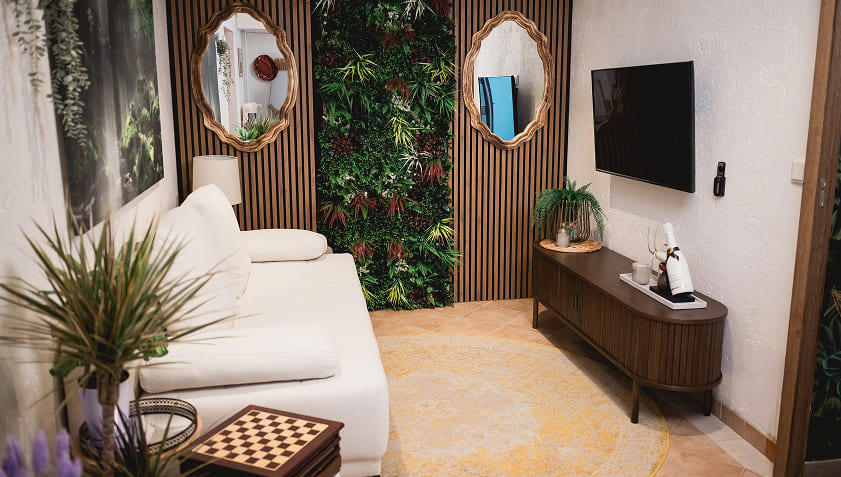
You live in a studio apartment with 400 square feet. By day, it’s your home office. By evening, it’s your meditation sanctuary. On weekends, it transforms into a creative studio for your hobbies.
Sound familiar?
More people than ever are living and working in compact spaces: The pandemic normalized remote work. Urban living means smaller square footage. Budget constraints require flexibility. Yet our lives haven’t become simpler—they’ve become more multifaceted.
This is where the science of multifunctional design becomes essential.
Poorly designed multifunctional spaces create constant mental friction. You’re surrounded by reminders of your work when you’re trying to rest. Your creative supplies are mixed with your office documents. The energy of the space is chaotic because it’s trying to be too many things at once.
But thoughtfully designed multifunctional spaces are magic. They allow you to work productively in the morning, transition to meditation by evening, and create art on weekends—all in the same room. The space adapts to you, not the other way around.
In this article, I’ll share the principles of multifunctional design and practical strategies for creating flexible spaces that support your entire life.
The Challenge: Why Multifunctional Spaces Feel Chaotic
Before we talk about solutions, let’s understand the problem.
The human brain needs clarity. When you enter a space, your brain immediately assesses the environment and determines what activity is appropriate. A bedroom signals sleep. An office signals focus. A meditation room signals calm.
But when one space needs to serve multiple functions, your brain gets confused. The visual signals are mixed:
- Your bed is visible from your work desk (triggering thoughts of rest when you need focus)
- Your meditation cushion sits next to your computer (creating conflicting energy)
- Art supplies are stacked next to work files (blending creative and professional identities)
This visual and energetic ambiguity creates low-level stress, even if you don’t consciously notice it. Your nervous system has to work harder to determine which mode you’re in, which mode is appropriate, and which mode you should activate.
The result: Reduced productivity, scattered creative energy, and difficulty truly resting.
The solution isn’t to have more space. It’s to design the space you have with intentionality and structure.
The Principles of Multifunctional Design
Principle 1: Zones Create Clarity
The key to successful multifunctional design is creating distinct zones within a single space. These zones don’t require walls—they require energetic and visual separation.
Three types of zones are most common:
Focus Zone (Work/Productivity)
- Positioned to minimize visual distractions
- Equipped with task lighting and ergonomic seating
- Faces away from windows, relaxation furniture, or entertainment
- Contains only work-related items
- Color palette: cooler or neutral tones that support concentration
Rest/Renewal Zone (Sleep/Meditation)
- Positioned away from the work zone
- Soft lighting, calming colors, minimal visual clutter
- Comfortable, inviting furniture (bed, meditation cushion, cozy seating)
- Separated visually from productivity areas
- Contains only items that support rest and calm
Creative Zone (Hobbies/Personal Passion)
- Positioned to inspire and energize
- Good natural light if possible
- Accessible storage for supplies
- Visual appeal and personality
- Can be more colorful and expressive than other zones
The principle: Each zone has a distinct location, visual character, and energetic frequency. Your brain knows immediately which mode to activate based on which zone you’re in.
Principle 2: Visual Separation Without Walls
You don’t need physical walls to create spatial separation. Designers use several non-structural methods:
Color blocking: Each zone has a distinct color palette or accent color. Your work desk has cool neutrals, your meditation area is soft pastels, and your creative corner is warm earth tones.
Level changes: Using platforms, rugs, or furniture placement to create subtle height differences signals zone boundaries to the brain.
Furniture arrangement: Positioning furniture to create natural barriers. A low bookshelf, a plant screen, or angled furniture can divide space without enclosing it.
Lighting: Each zone has distinct lighting. Task lighting for work, soft ambient light for rest, and bright natural light for creativity.
Material differences: Textural change signals transition. Moving from a smooth desk surface to a soft rug to a textured meditation corner.
Focal points: Each zone has a distinct visual anchor. The desk, the bed, and the art table. Your eye naturally goes there, reinforcing the zone’s purpose.
These subtle signals work together to create clear boundaries that your nervous system recognizes, even without physical walls.
Principle 3: Flexible Furniture Enables Transition
Multifunctional spaces require furniture that can adapt.
Room dividers (folding screens and fabric panels) can visually separate zones during the day and be folded away when you want openness.
Rolling storage keeps supplies accessible but hidden, minimizing visual clutter while allowing quick setup for creative work.
Nesting tables or expandable surfaces serve multiple purposes, a small side table during work hours, a craft surface when needed, and a meditation focal point in the evening.
Dual-purpose furniture is your friend: a desk that folds down to reveal a wall-mounted meditation altar, a window seat with storage underneath for art supplies, and a bench that serves as both seating and a low shelf.
Modular pieces allow you to rearrange based on your immediate needs. The same space might be configured one way on workdays and another way on creative weekends.
Practical Design Strategies for Common Scenarios
Scenario 1: Studio Apartment with Work-from-Home Office + Personal Creative Space
The challenge: 300–500 square feet needs to function as bedroom, office, and creative studio.
The solution:
- Work zone: Position a desk near a window (natural light supports focus). Use a low bookshelf or room divider to visually separate it from the rest of the space.
- Rest zone: The bed is your anchor. Use soft textiles, ambient lighting, and a calm color palette. Keep it as far from the work desk as possible.
- Creative zone: Use a rolling cart or corner with accessible storage. Position it to catch natural light. Use bright, energizing accent colors that inspire you.
- Lighting strategy: Task lighting at the desk, soft warm lighting near the bed, and bright natural light in the creative corner.
- Color coding: Work zone in cool neutrals, rest zone in soft pastels, creative zone in warm or vibrant tones.
Result: Your 400 square feet serves three distinct purposes without feeling chaotic.
Scenario 2: Guest Bedroom + Home Office
The challenge: The room needs to serve guests occasionally but function primarily as a home office.
The solution:
- Dual-purpose desk: Choose a console table or floating desk that can be cleared quickly when guests arrive. Position it against one wall.
- Flexible seating: A chair that rolls out of sight or a small bench that serves both as office seating and guest seating.
- Concealment: Use a beautiful room divider to hide the work zone when guests are present. Tuck office supplies into attractive closed storage.
- Layered functionality: The bed is the primary furniture. The desk becomes secondary. Lighting can shift the room’s mood from “workspace” to “bedroom” simply by turning off task lighting and turning on softer ambient light.
- Spatial arrangement: Position the desk perpendicular to the bed, not facing it, to minimize visual connection between activities.
Result: Guests feel welcomed into a bedroom, while you maintain a functional office 90% of the time.
Scenario 3: Loft or Open-Plan Space with Multiple Zones
The challenge: Large open space needs to function as living, working, and creative area simultaneously.
The solution:
- Clear zoning with layout: Use furniture arrangement and rug placement to define distinct zones. Each zone has its own seating, lighting, and focal point.
- Vertical separation: Use height variation, tall shelving in one zone and low furniture in another, to create visual breaks.
- Storage as dividers: Built-in or freestanding shelving units can serve as both storage and visual boundaries between zones.
- Lighting layers: Each zone has independent lighting controlled separately. This allows you to activate one zone while keeping others neutral.
- Color strategy: Subtle color shifts between zones (not jarring, but enough for visual distinction). The work zone is calm and professional, the creative zone is warm and inviting, and the living zone is comfortable and social.
Result: A spacious, multifunctional area that feels organized and purposeful rather than scattered.
The Psychological Benefits of Well-Designed Multifunctional Spaces
When your multifunctional space is thoughtfully designed, something remarkable happens:
Your brain relaxes: It doesn’t have to work overtime interpreting ambiguous signals. Each zone communicates its purpose clearly, and you settle into the appropriate mindset naturally.
You become more productive: In your work zone, you focus deeply because there are no visual distractions or conflicting energy. In your creative zone, you’re inspired because the environment actively supports that energy.
You rest more deeply: In your rest zone, your nervous system genuinely downregulates. You’re not surrounded by reminders of work or responsibilities—you’re in a space explicitly designed for calm.
You feel in control: Your space isn’t controlling you. You’ve designed it to support your life. This sense of agency over your environment boosts well-being significantly.
Transitions become smoother: Moving from work to creativity to rest isn’t jarring, it’s a natural flow because each space guides you toward the appropriate mode.
Real-World Examples
Example 1: The Studio Artist in a 350 sq ft Apartment
Sarah works remotely three days a week and creates art the other days. Her solution:
- Work desk in one corner, facing a wall (focus zone)
- Bed on the opposite wall, framed by soft fabric and plants (rest zone)
- Rolling cart with art supplies that she positions near natural light for creative sessions (creative zone)
- A large area rug under the bed defines the rest zone; a smaller rug under the desk defines the work zone
- Different lighting: bright task light for work, soft ambient for rest, natural light for creativity
- Color palette: neutral grays at the desk, soft blues near the bed, warm yellows near her creative corner
The result: Sarah can switch between modes seamlessly. Her brain knows that moving to the desk means focus. Moving to the bed means rest. Moving to the creative corner means inspiration.
Example 2: The Executive with a Home Office + Meditation Practice
David works from home but also practices meditation daily. His solution:
- Beautiful desk in one corner with professional styling
- A meditation cushion and low table on the opposite side, separated by a decorative room divider
- The meditation zone is softer, warmer, more minimal
- Lighting: bright, focused at the desk; soft, warm in the meditation zone
- A bookshelf serves as a subtle visual barrier between zones
- Plants soften both spaces but are positioned to enhance each zone’s character
The result: David can work productively with zero guilt about his meditation practice interrupting. The spaces are clearly distinct, and his brain navigates between them naturally.
Frequently Asked Questions
Q: Do I need a big space for successful multifunctional design?
A: Not at all. In fact, small spaces often benefit most from thoughtful zoning. I’ve designed functional multifunctional spaces in 250 square feet. The key is intention, not square footage.
Q: What’s the minimum size for a room to include multiple functional zones?
A: A room of about 200+ square feet can accommodate distinct zones with careful planning. Under 200 square feet, you may need to overlap zones (e.g., a desk in your bedroom for work) but can still apply multifunctional principles through lighting, color, and visual separation.
Q: Can I use the same furniture in different zones?
A: It depends. A chair that rolls from your desk zone to your meditation zone works fine. But I generally recommend that core furniture: your bed, your desk, and your meditation cushion—stay in their dedicated zones to reinforce the space’s organization and reduce mental confusion.
Q: What if I don’t have a large window for natural light in my creative zone?
A: Use bright task lighting or full-spectrum bulbs to simulate daylight. Position your creative zone to catch whatever natural light is available. Consider a light therapy lamp. Many creative people work well under warm but bright artificial lighting.
Q: How do I prevent my work zone from feeling too formal or intimidating in a multifunctional space?
A: Don’t feel obligated to use a “corporate office” aesthetic. Your work zone can be warm, inviting, and reflect your personality—it just needs to signal focus. Think warm neutrals, beautiful lighting, quality materials, and minimal clutter. Professional doesn’t mean cold.
Q: Is it realistic to expect to focus well on work in the same room where I sleep?
A: Yes, with proper zoning. The key is visual and energetic separation. When your work zone is clearly distinct from your rest zone—through furniture arrangement, lighting, color, and physical barriers—your brain can genuinely shift modes. Many people work incredibly productively in spaces that also function as bedrooms.
Q: How long does it take to adjust to a newly organized multifunctional space?
A: Most people report feeling the shift within a week. The first week or two might require conscious effort to use zones as designed, but after 2–3 weeks, the behavior becomes automatic and your nervous system adapts to the new organization.
Multifunctional spaces don’t have to feel chaotic or compromised
With thoughtful design, they can feel intentional, beautiful, and supportive of your entire life.
Whether you’re working in a studio apartment, balancing a home office with a guest room, or creating distinct zones in a larger space, the principles are the same: clarity, visual separation, flexible furniture, and thoughtful lighting.
Your space can support your productivity, your creativity, your rest, and your well-being, all at once.
Ready to redesign your multifunctional space?
Let’s collaborate. I’ll work with you to understand how you use your space, what modes you need to support, and how to design zones that are distinct, beautiful, and genuinely functional.
Together, we’ll create a space where every zone serves its purpose, and where your entire life flows naturally.